Functional medicine vs conventional medicine isn't about which is better, but how they complement each other. Conventional medicine excels at acute care and emergency treatment, while functional medicine focuses on identifying and addressing root causes of chronic conditions.
Understanding the Core Differences
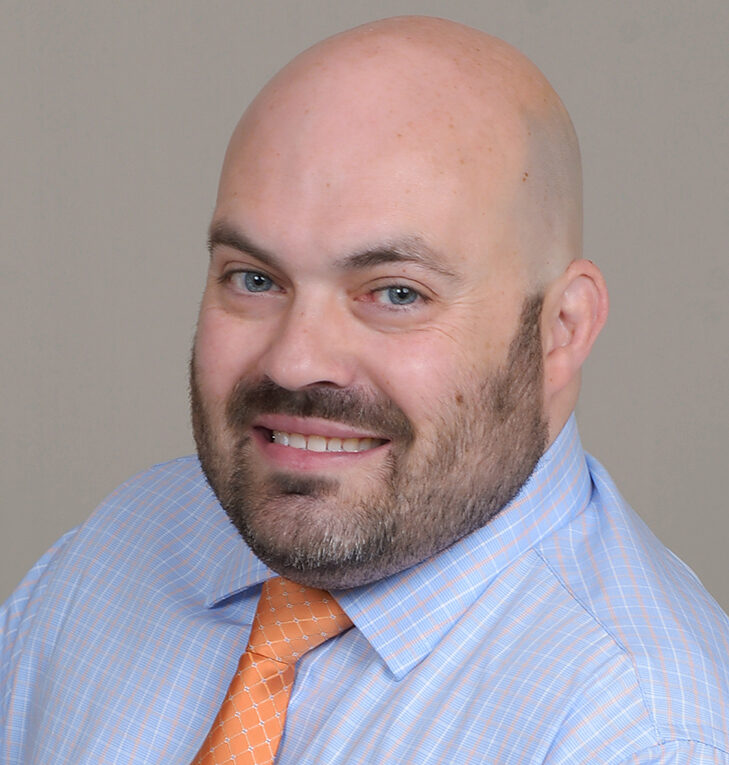
The debate over functional medicine vs conventional medicine often misses a crucial point: both approaches have distinct strengths that serve different purposes in healthcare. As Dr. Dustin Drussel, DC, MS in Sports Rehabilitation at Integrative Motion Utah, I've seen how combining these approaches creates the most effective treatment plans for patients throughout Orem and Utah County.
Conventional medicine, also called allopathic medicine, focuses on diagnosing and treating specific diseases or symptoms. It relies heavily on pharmaceutical interventions, surgical procedures, and standardized treatment protocols. This approach excels in emergency situations, acute infections, and severe injuries requiring immediate intervention.
Functional medicine takes a different approach by examining the underlying systems and root causes that contribute to health problems. Rather than simply managing symptoms, functional medicine practitioners look at factors like nutrition, stress, sleep, environmental toxins, and genetic predispositions that may be contributing to chronic health issues.
When Conventional Medicine Shines
Emergency and Acute Care
Conventional medicine is unparalleled when it comes to life-threatening emergencies. Heart attacks, severe trauma, acute infections, and surgical needs require the immediate, symptom-focused approach that conventional medicine provides. The standardized protocols and evidence-based treatments have saved countless lives.
Diagnostic Technology
Advanced imaging, laboratory tests, and diagnostic procedures allow conventional medicine to identify specific conditions with remarkable precision. MRIs, CT scans, and blood work provide crucial information that guides treatment decisions.
Pharmaceutical Interventions
Medications can be lifesaving and life-changing for many conditions. Antibiotics for serious infections, insulin for diabetes, and pain medications for severe injuries all have important roles in healthcare.
Where Functional Medicine Excels
Chronic Condition Management
For patients dealing with ongoing issues like chronic back pain, persistent headaches, or recurring digestive problems, functional medicine often provides answers where conventional approaches fall short. By examining lifestyle factors, nutritional deficiencies, and systemic imbalances, functional medicine can identify why these problems persist.
Prevention-Focused Care
Rather than waiting for disease to develop, functional medicine emphasizes prevention through optimizing nutrition, movement, stress management, and sleep. This proactive approach can prevent many chronic conditions from developing in the first place.
Personalized Treatment Plans
Functional medicine recognizes that each person is unique. What works for one patient with neck pain may not work for another, even if they have similar symptoms. This personalized approach considers individual genetics, lifestyle, and health history.
The Integrative Approach: Best of Both Worlds
The most effective healthcare combines the strengths of both approaches. At Integrative Motion Utah, we see this integration in action daily. A patient might come in with sciatica that's been managed with pain medications (conventional approach) but continues to return. By incorporating functional medicine principles, we might discover that poor posture from workplace ergonomics, nutritional deficiencies affecting inflammation, or stress patterns are contributing to the recurring problem.
According to the American Chiropractic Association (2023), integrative approaches that combine conventional diagnostic tools with functional medicine principles show improved outcomes for chronic musculoskeletal conditions compared to single-modality treatments.
Real-World Integration Examples
For sports injuries, we might use conventional imaging to rule out fractures or tears, then apply functional medicine principles to optimize healing through nutrition, stress management, and movement patterns. Chiropractic adjustments combined with corrective exercises address both immediate symptoms and underlying movement dysfunctions.
Patients dealing with car accident injuries benefit from this integrated approach as well. While conventional medicine addresses acute injuries, functional medicine helps identify and correct compensatory patterns that could lead to chronic problems down the road.
Practical Steps to Benefit from Both Approaches
Start with Proper Diagnosis
Use conventional medicine's diagnostic strengths to understand exactly what's happening in your body. Blood work, imaging studies, and physical examinations provide crucial baseline information.
Look Beyond Symptoms
Once you understand your diagnosis, explore the functional medicine perspective: What lifestyle factors might be contributing? Are there nutritional deficiencies? How do stress, sleep, and movement patterns affect your condition?
Build Your Healthcare Team
The best outcomes often come from working with practitioners who understand both approaches. Look for providers in Provo, Orem, or throughout Utah County who take an integrative approach to care.
Address Immediate Needs While Planning Long-Term
Don't suffer through acute pain while waiting for functional interventions to take effect. Use appropriate conventional treatments for immediate relief while simultaneously addressing root causes through functional medicine approaches.
Making the Right Choice for Your Situation
The question of functional medicine vs conventional medicine which is better depends entirely on your specific situation and health goals. For acute conditions, emergencies, or when you need rapid symptom relief, conventional medicine is often the right choice. For chronic conditions, prevention, or when conventional treatments haven't provided lasting solutions, functional medicine approaches can be transformative.
A study published in the Journal of Alternative and Complementary Medicine (2022) found that patients receiving integrative care that combined conventional and functional medicine approaches reported higher satisfaction and better long-term outcomes than those receiving either approach alone.
At Integrative Motion Utah, we've found that treatments like acupuncture, soft tissue therapy, and comprehensive sports rehabilitation programs work best when they're part of a broader strategy that includes both conventional diagnostic tools and functional medicine principles.
Your Next Steps
Rather than choosing between functional medicine vs conventional medicine, consider how both can serve your health goals. Start by getting a proper conventional diagnosis if you haven't already, then work with practitioners who can help you understand the underlying factors contributing to your condition.
Remember that the best approach is often the one that addresses your immediate needs while also working toward long-term health and prevention. Whether you're dealing with chronic pain, recovering from an injury, or looking to optimize your health, an integrative approach that draws from both conventional and functional medicine principles often provides the most comprehensive and effective care.
Frequently Asked Questions
Is functional medicine scientifically proven?
Functional medicine uses evidence-based testing and treatments, though it applies them differently than conventional medicine. Many functional medicine interventions like nutrition therapy, stress management, and lifestyle modifications have strong scientific support.
Can I use functional medicine alongside conventional treatments?
Yes, functional medicine is designed to complement conventional care, not replace it. The best outcomes often come from integrating both approaches under proper medical supervision.
Which approach is better for chronic pain?
Chronic pain often benefits from both approaches: conventional medicine for acute symptom management and functional medicine to address underlying causes like inflammation, movement patterns, and lifestyle factors.
How do I find a practitioner who uses both approaches?
Look for healthcare providers who describe their practice as "integrative" or "holistic" and ask specifically about their approach to combining conventional diagnostics with functional medicine principles.
Does insurance cover functional medicine?
Coverage varies by provider and specific treatments. Many functional medicine services like chiropractic care, physical therapy, and some diagnostic tests are covered, while others may require out-of-pocket payment.
If you're ready to experience the benefits of an integrative approach that combines the best of both functional medicine and conventional care, we're here to help. Schedule a consultation with Dr. Drussel to discuss your specific needs and develop a comprehensive treatment plan, or call us at (801) 396-1100 to learn more about how our integrative approach can help you achieve your health goals.